

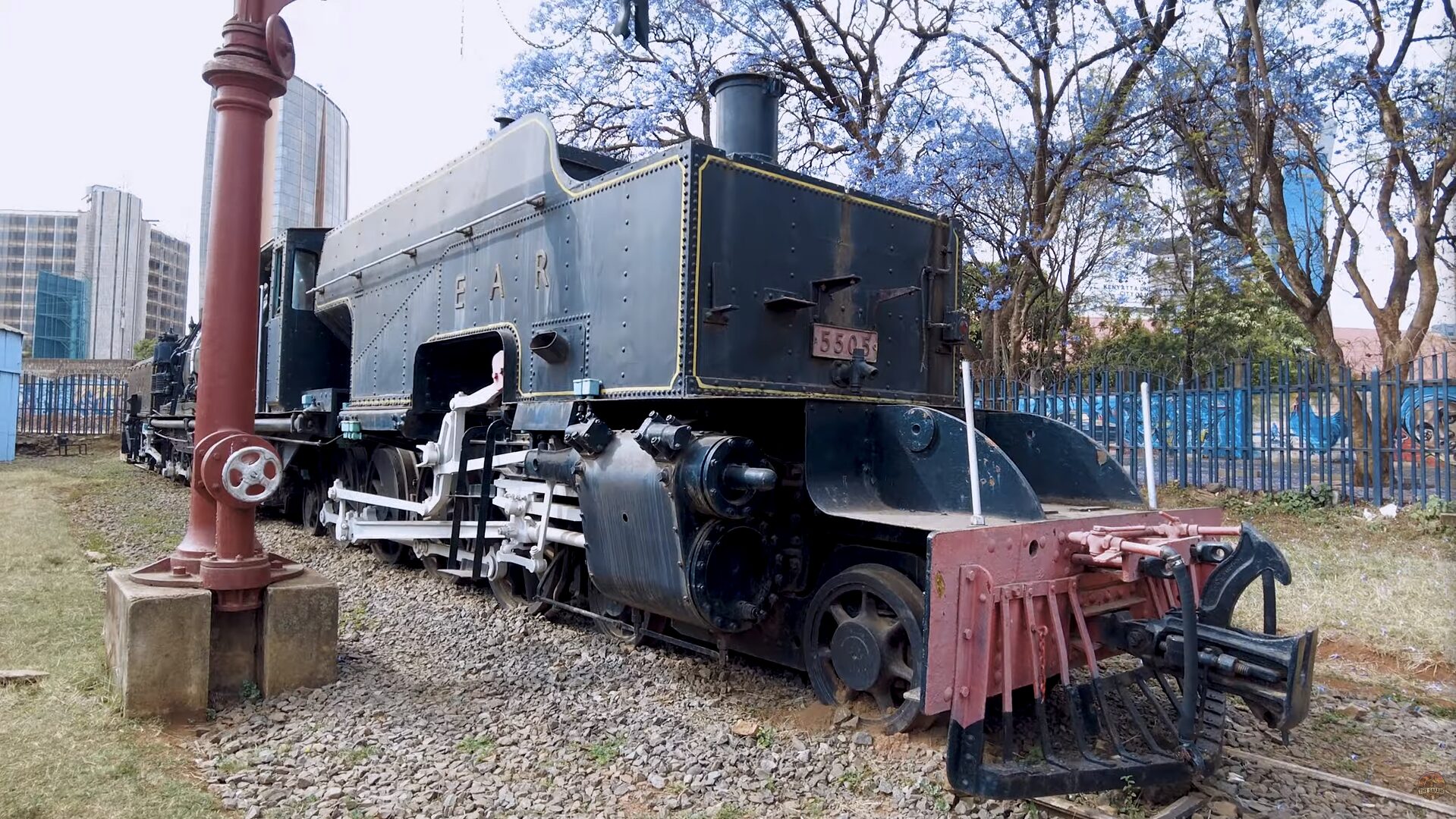

Walking toward the gates of the Nairobi Railway Museum, you can almost hear the phantom whistle of a steam engine cutting through the midday heat. It feels as though you are stepping off a busy city street and directly into a captivating time capsule.
While the modern world rushes by in the nearby CBD, this museum stands as a silent witness to the birth of Kenya as a nation. It is not just a collection of old metal. The railway, often nicknamed the “Lunatic Express,” was one of the most ambitious engineering projects of the British colonial era.
Whether you are a history buff, a photography enthusiast, or simply curious about the spectacular engineering of the past, this hidden gem is an essential stop on any Nairobi itinerary.
Safari Snapshot
Before we explore the vintage tracks, here is a quick look at what you need to plan your visit:
CITY PROXIMITY
10-minute walk from the Nairobi CBD
DURATION
1 hour (History inside the museum) + 1 hour (Taking photos and exploring the ancient locomotives in the tracks)
THE PERSPECTIVE
Scrambling into vintage engine cabs and carriages
THE VIBE
Easy walking on gravel and steel tracks
The History of the Legendary Iron Snake
The story of the railway is the story of Nairobi itself. Long before the skyscrapers, this land was a swampy marsh known as Enkare Nyrobi (the place of cool waters). Construction of the “Iron Snake” began at the coast in Mombasa in 1896 and reached this exact spot in 1899, effectively creating the city we know today.
It is not uncommon for a country to create a railway, but it is uncommon for a railway to create a country. – Sir Charles Elliot, Senior British administrator, 1903
The sheer scale of the project was a geographical miracle for its time. Here is a taste of the milestones you will discover once you are inside:
| Historical Milestone | Details |
| Start date | 1896 (The Port of Mombasa) |
| Nairobi arrival | 1899 (The railhead camp that became a city) |
| The final stop | 1901 (Reaching Kisumu / Port Florence) |
| Total distance | Approximately 930 kilometers of hand-laid track |
| Museum Launch | 1971 |
When you walk through the gallery, you will learn about the grueling challenges faced by the builders. The history is as gritty as it is inspiring, ranging from the legendary “Man-Eaters of Tsavo” to the logistical nightmare of crossing the Great Rift Valley. To truly feel the weight of these stories, you have to stand beside the original 19th century telegraph machines and handwritten logs for yourself.
Where Giants Sleep: The Outdoor Yard
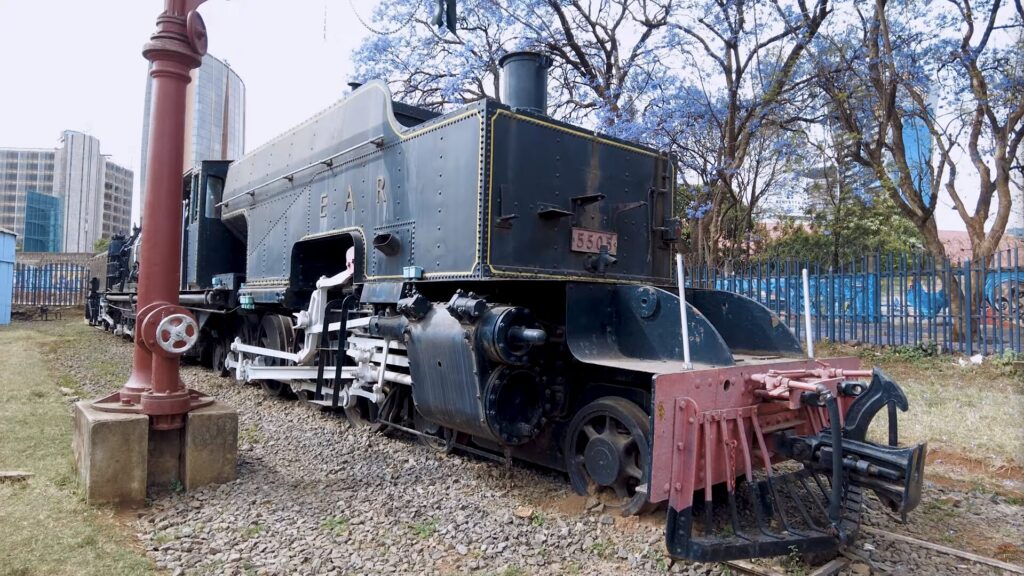
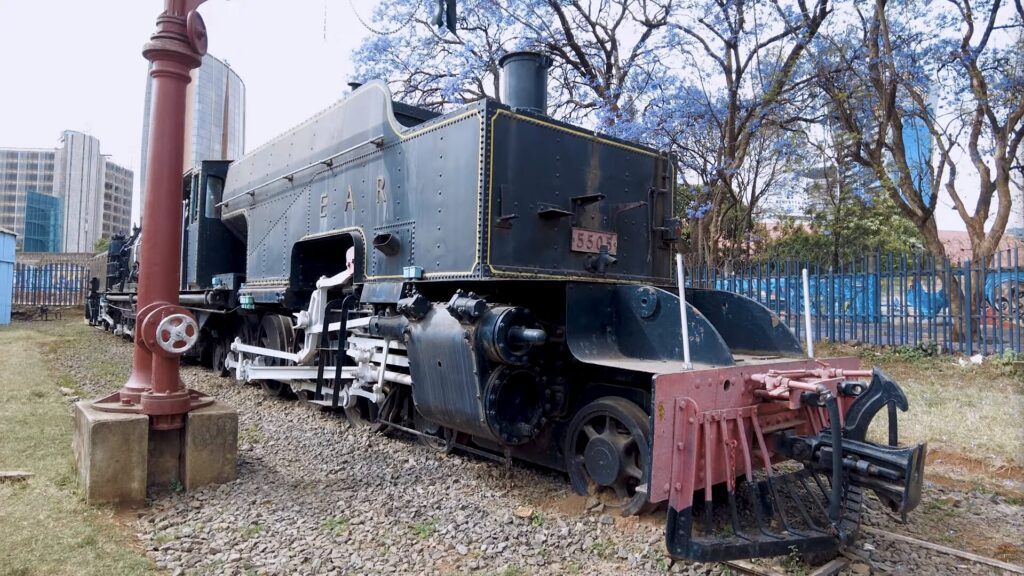
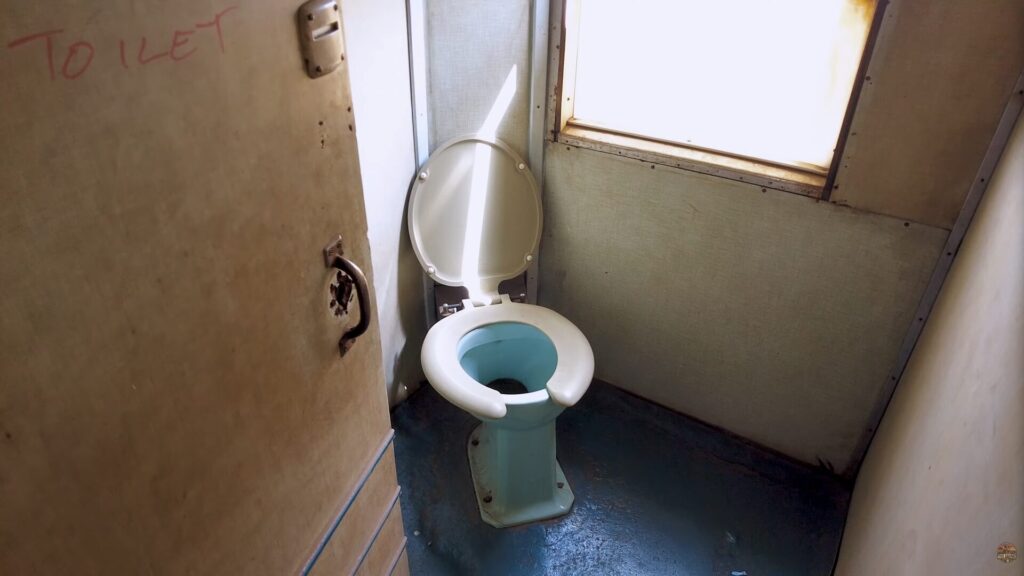
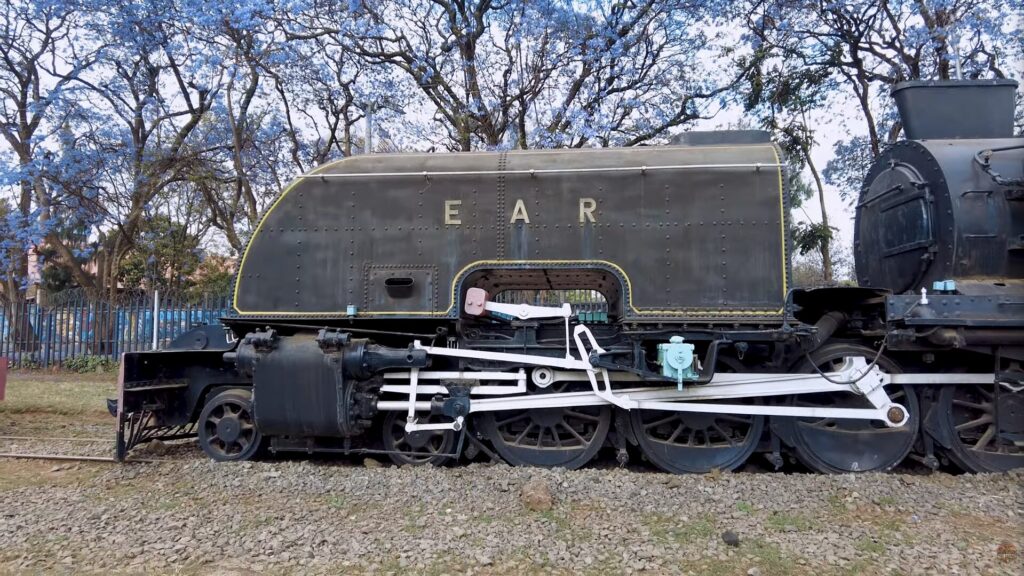
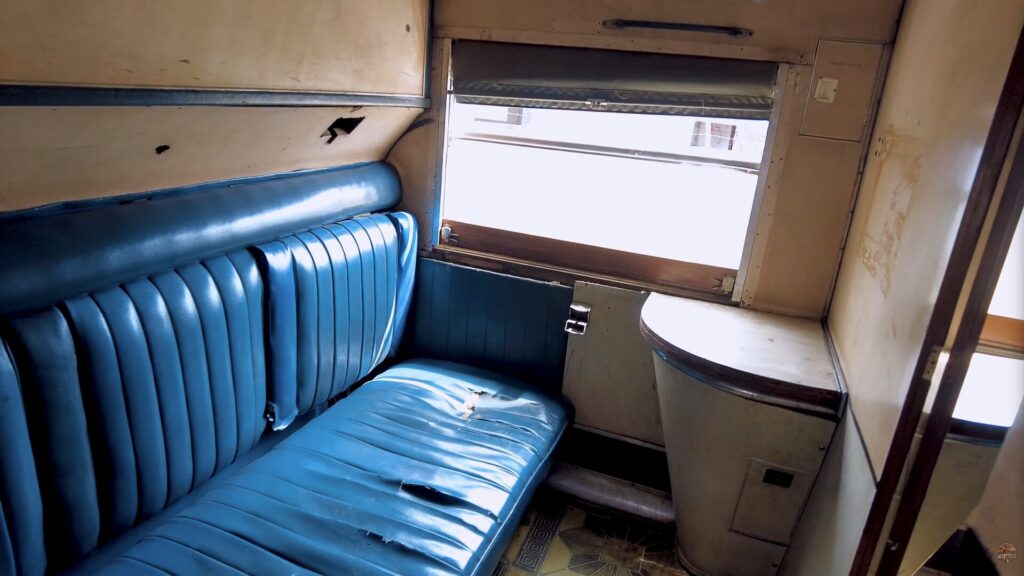
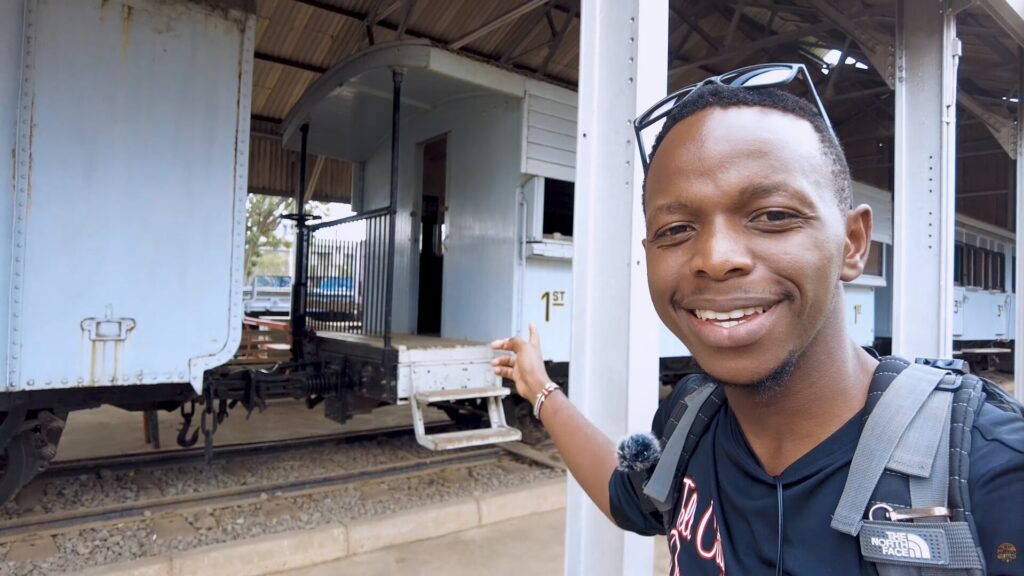
Stepping into the outdoor yard of the Nairobi Railway Museum brings you face to face with the sheer scale of the locomotives. These massive steam engines are the heart of the museum, and the best part is how “hands-on” the experience is. You are encouraged to climb into the engine cabs and walk through the vintage carriages.
Sitting in the driver’s seat of a more than a century old train is a humbling experience. It gives you a real sense of the grueling labor required to build a railway through the African wild. This is a tactile, gritty connection to history that you just cannot feel by looking at a documentary.
Steam vs. SGR: The Historical Reality
Today, many travelers arrive in Nairobi on the sleek Standard Gauge Railway. Standing beside these steam giants at the museum, the contrast between the past and the present becomes striking.
For a very small entry fee, you can walk through the original carriages that carried everyone from colonial explorers to the first leaders of independent Kenya. Seeing the “why” behind the country’s development makes your modern SGR trip feel much more meaningful.


Essential Visitor Information
- Location: Station Road, off Haile Selassie Avenue, Nairobi.
- Operating Hours: 9:00 AM to 5:00 PM daily
- Photography & CBD Safety: Under the latest government directives, Nairobi’s streets have become an open air studio where photography is now widely allowed and encouraged without the need for costly permits. However, it is vital to remember that “protected areas” and government buildings remain strictly off limits for your lens.
- Museum Photography: Photography is strictly forbidden unless confirmed at the reception. Seek permission first.
- Personal Security: Safety is always a personal responsibility, especially in the busy CBD. If you choose to walk alone to the museum while carrying “flashy” professional gear, stay aware of your surroundings. It is often best to keep your camera in your bag until you reach a safe place or your specific destination to ensure a smooth and hassle free visit.
- The “Hidden” Gallery: Make sure to visit the indoor gallery before heading to the trains. It contains the original cutlery used by the queen, furniture, and even a motorized bicycle used by inspectors.
Entry Fees
| Non-Resident Adults: | Ksh 600 ($6) |
| Non-Resident/Resident Child | Ksh 100 |
| Non-Resident Student | Ksh 300 ($3) |
| Resident Adult | Ksh 500 |
| Resident Student | Ksh 200 |
| Citizen Adult | Ksh 200 |
| Citizen Student/Child | Ksh 100 |
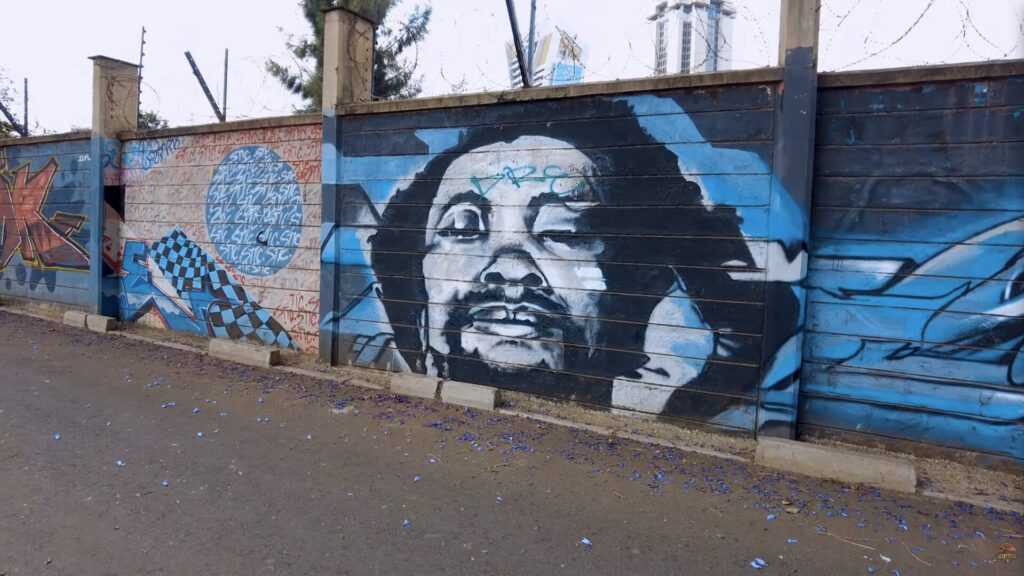
NB: Payments are made via the eCitizen app.Once you have finished exploring the engines, take a moment to look at the vibrant graffiti and art that often lines the museum walls. It is the perfect spot for an urban photo shoot or a quiet moment of reflection on how far the city has come. You will likely leave feeling a new sense of respect for the iron giants that built Nairobi.

Stepping into the Railway Museum always feels like a journey back in time. It is a side of Nairobi that many people overlook, but the stories held in those old steam engines are the foundation of the city we know today. Have any of you visited recently? I would love to know which locomotive was your favorite for photos. If you are heading there soon and need advice on the best time to visit to avoid the crowds, just leave a comment below! ~ Michael